
Preparing your home for senior safety and comfort is more than a checklist—it’s about creating a space where your loved ones feel secure every day. From simple fall prevention for seniors to thoughtful home modifications, small changes can make a big difference. This guide walks you through practical aging in place tips that families in Southeast Michigan trust to protect those they care about most. For more guidance, you can check out this link.
Room-by-Room Safety Upgrades

Creating a safe home for seniors involves careful adjustments in each room. By focusing on specific areas, like the living room and kitchen, you can make daily life safer and more comfortable.
Living Room Safety Tips
Start by evaluating the flooring. Slippery surfaces can be hazardous. Consider adding area rugs with non-slip pads to reduce the risk. Ensure that furniture is sturdy and at a comfortable height to help seniors sit and stand with ease. Avoid clutter that could lead to trips. Remove cords and unnecessary items from the pathways. A simple rearrangement can make the room more accessible.
Lighting is crucial here. Ensure the room is well-lit to help with visibility. Use lamps and overhead lights, and consider adding motion-sensor lights for convenience. Remember, a well-lit room reduces the chances of accidents.
Kitchen Modifications for Seniors
Kitchens can be tricky, but a few changes can make them safer. Install pull-out shelves to reduce reaching and bending. This simple addition makes accessing items easier and minimizes strain. Consider lever-style handles for faucets and cabinets. They are easier to operate, especially for those with arthritis.
Place frequently used items within easy reach. Avoid storing heavy pots and pans in high cupboards. This prevents stretching or climbing, which can lead to falls. If space allows, consider a small stool with a backrest for seated tasks. This offers comfort and reduces fatigue during cooking.
Bathroom Safety for Seniors
Bathrooms require special attention. Slip-resistant mats in the shower and on the bathroom floor can prevent falls. Install grab bars near the toilet and in the shower to provide stability. These bars offer support and can be a lifesaver during unexpected slips.
Ensure the water temperature is set to prevent scalding. Consider a handheld showerhead for easier bathing. It allows more control and flexibility. Also, a shower chair can add comfort and safety for those who have difficulty standing for long periods.
Fall Prevention Strategies
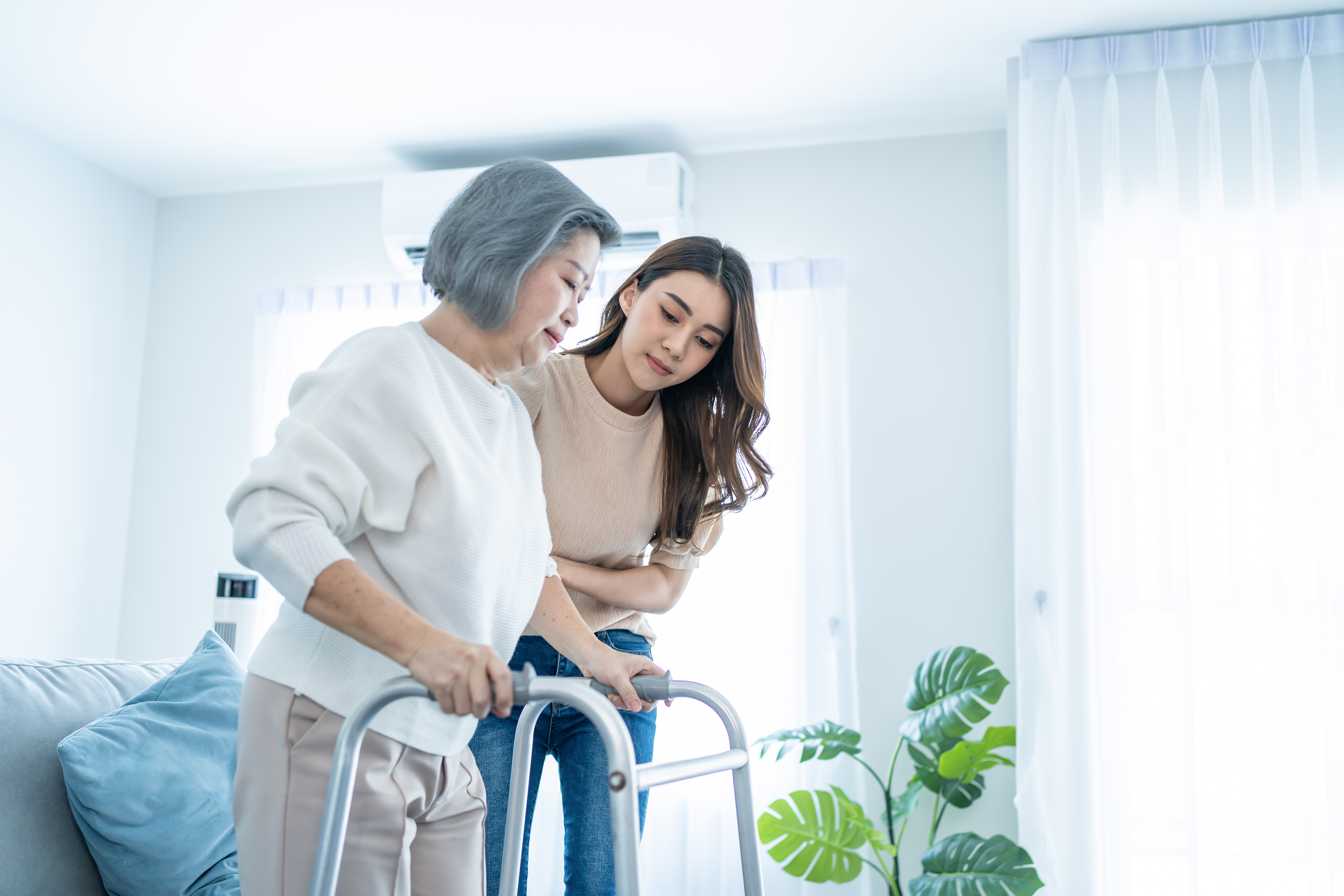
Preventing falls is a top priority. By focusing on areas like stair safety and flooring, you can significantly reduce risks. Let’s dive into some key strategies.
Stair Safety and Lighting
Stairs are a common hazard, but they don’t have to be. Start with clear visibility. Ensure stairways are well-lit, using bright bulbs and adding light switches at both the top and bottom of the stairs. Motion-sensor lights are a great option here too, providing light as soon as movement is detected.
Handrails are essential. Make sure they are sturdy and extend the full length of the stairs. If possible, consider installing rails on both sides for added support. The importance of proper lighting and handrails cannot be underestimated; they are critical in preventing falls.
Grab Bars and Non-Slip Flooring
Grab bars aren’t just for bathrooms. They can be installed throughout the home where extra support is needed. Think of places like hallways or next to chairs. They provide a reliable handhold and can make a significant difference in safety.
Non-slip flooring is another must. Consider options like textured tiles or vinyl, which offer better grip. Avoid high-pile carpets that can trip or cause missteps. Remember, flooring modifications can drastically cut down fall risks.
Personalized Care Solutions

Beyond home modifications, consider personalized care options. Tailored care solutions can bridge the gap between safety and comfort, ensuring your loved ones receive the support they need.
Nurse-Supervised Caregivers
Having caregivers who are supervised by nurses offers peace of mind. These caregivers are trained to monitor health conditions and assist with daily activities. They ensure medication management is on track and provide support with personal care tasks. This kind of supervision ensures that any changes in health are quickly noticed and addressed.
Choosing nurse-supervised care means your loved one is not just receiving help with daily tasks. It’s about having someone who can respond to health needs promptly. This level of care can be crucial in maintaining a senior’s health and well-being at home.
Transitional Care from Hospital to Home
Transitioning from hospital to home can be a vulnerable time. Transitional care services ease this process. They ensure that all medical instructions are followed correctly, and they provide support during recovery. This prevents complications and promotes healing.
These services include coordinating follow-up appointments and managing medications. They also involve creating a care plan tailored to recovery needs. By smoothing the transition, you help reduce the risk of readmissions and promote a safer recovery environment.
In creating a safer home, each small change leads to a larger impact. From room modifications to personalized care, your efforts contribute to a comfortable and secure environment for your loved ones. Take these steps today and encourage a safer tomorrow.
Schedule Your Free In-Home Safety Consultation Today
Let Relevar Home Care help you create a safer, more comfortable home for your loved one. Our nurse-supervised team serves families across Southeast Michigan with personalized care plans designed for peace of mind. Call now or request your free consultation online.