
Preparing your home for senior care in Southeast Michigan takes more than just a few quick fixes. You want a space that feels safe and welcoming for your loved one, with every detail set to reduce risks like falls and confusion. This senior home safety checklist covers practical upgrades room by room, clear tips for working with in-home caregivers, and how to create comfort that lasts. Keep reading to learn how to start making your home a secure haven today.
Room-by-Room Safety Upgrades
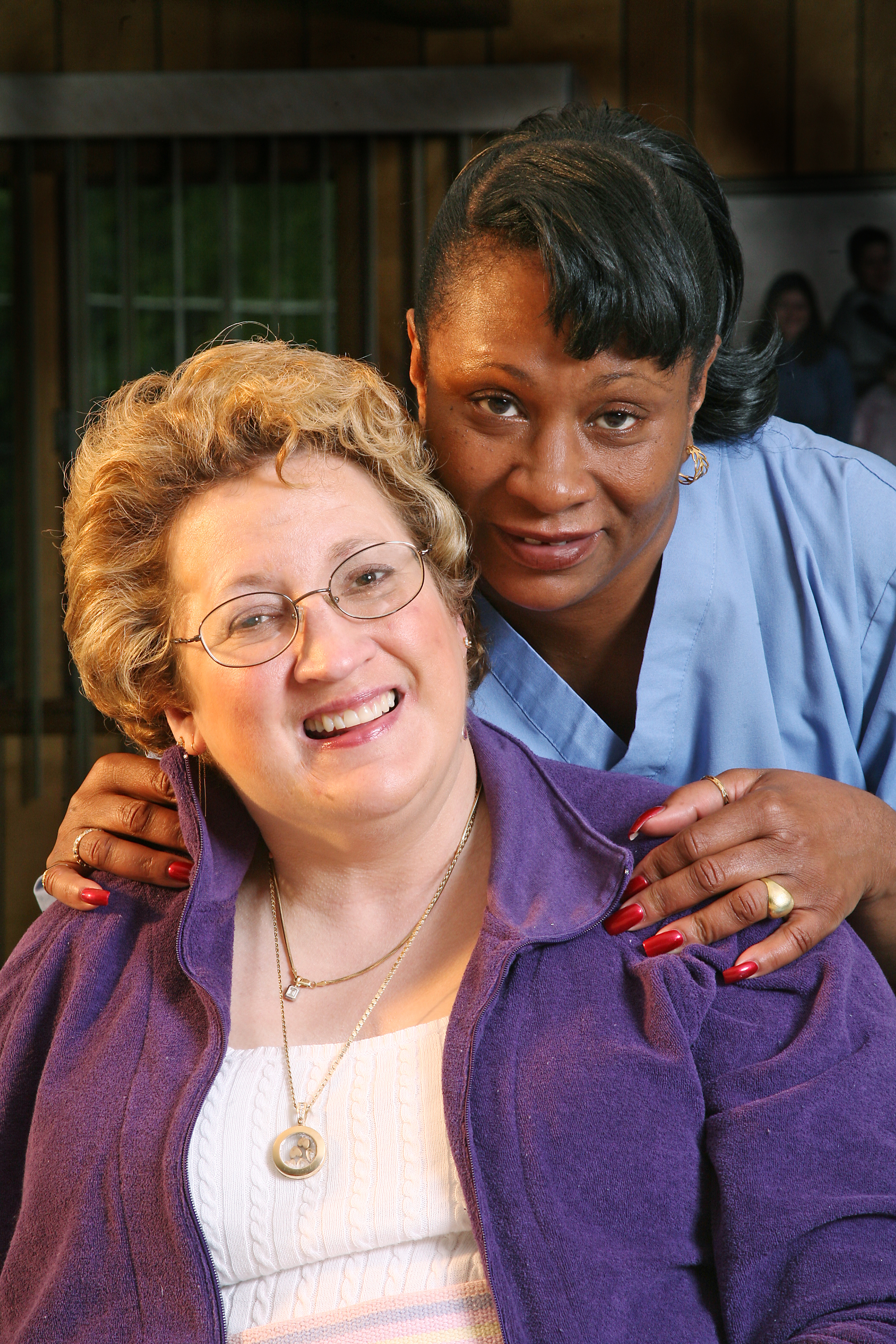
Creating a safe environment for seniors means addressing each room’s unique challenges. Let’s explore how to make your home both secure and inviting, starting with the living room.
Living Room Essentials for Seniors
The living room should be a space for relaxation without fear of accidents. Begin by removing any throw rugs or loose cables that might cause trips. Ensure furniture is stable; wobbly chairs or tables should be repaired or replaced. Adding grab bars near seating areas offers extra support when getting up and sitting down. Consider chairs with armrests to ease standing and sitting.
Lighting plays a crucial role in preventing falls. Use bright bulbs in lamps and overhead fixtures to eliminate shadows. Nightlights can guide the way during evening hours. Also, arrange furniture to create clear pathways, ensuring easy navigation for those with mobility aids. For more detailed tips, see the home safety tips for older adults.
Bedroom Comfort and Accessibility
A bedroom should offer restfulness and safety. Start with the bed; a comfortable mattress at the right height can prevent strain. Install bed rails for those who need extra stability. Keep a phone and a lamp within reach on the nightstand for emergencies and convenience.
Flooring is another consideration. Secure any loose carpets to prevent trips and consider replacing them with non-slip alternatives. Additionally, ensure pathways are free from clutter. The closet should also be organized, with frequently used items at accessible heights. These small adjustments can make a big difference in daily life.
Bathroom Safety for Seniors
Bathrooms present unique hazards, but they can be managed with simple updates. Grab bars near the toilet and in the shower provide critical support. Non-slip mats or decals on the floor and in the tub reduce the risk of slipping. Check out this guide for more safety tips.
Consider a raised toilet seat and a shower chair for added ease and safety. Faucets with clear hot and cold indicators prevent scalding, while lever handles are easier to use than knobs. Finally, ensure the bathroom is well-lit, with a nightlight for nighttime visits. With these upgrades, you can transform the bathroom into a safer environment.
Engaging with In-Home Caregivers
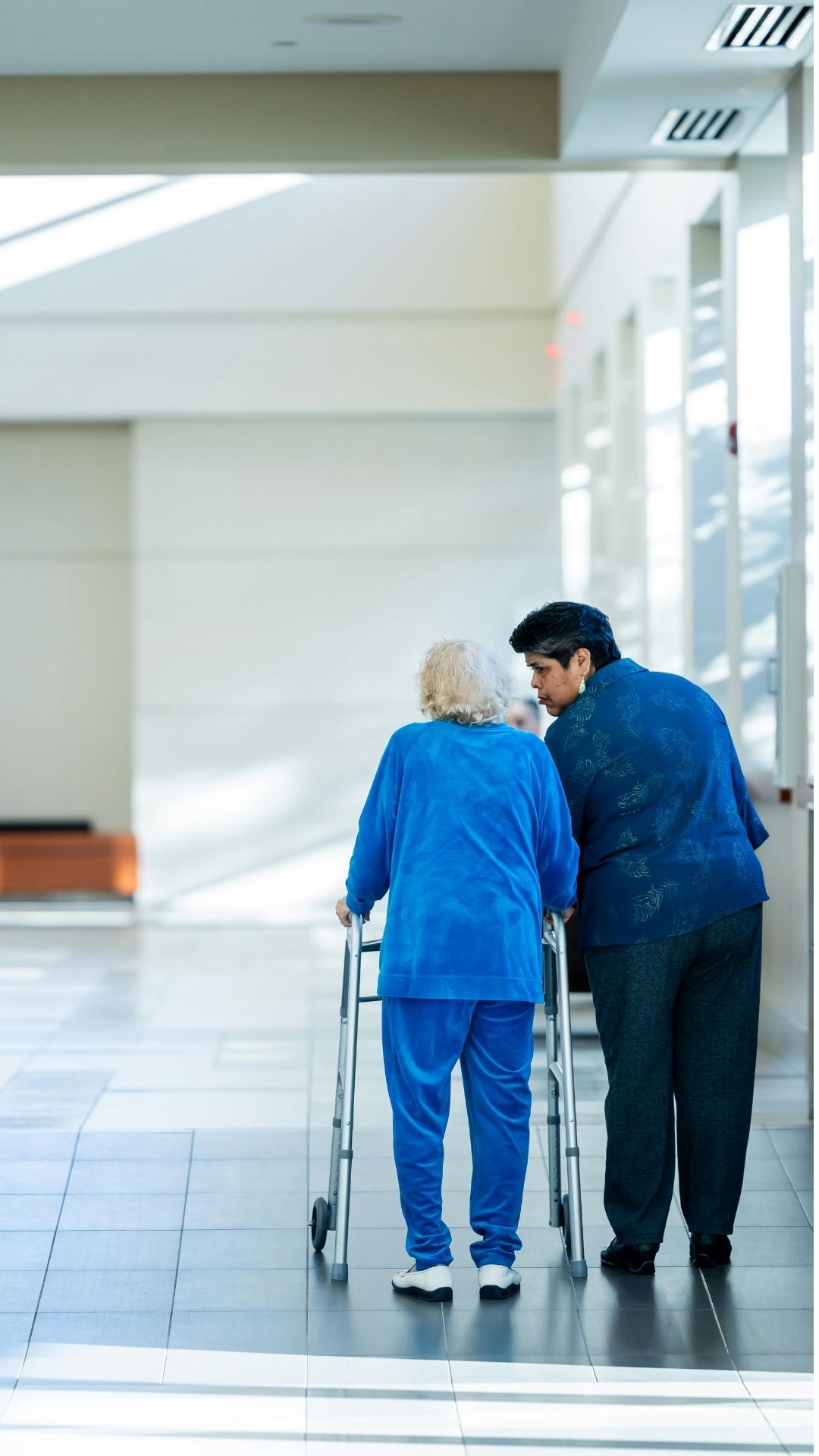
Once your home is set up safely, working effectively with in-home caregivers becomes the next step. Let’s look at how you can create a positive relationship that benefits everyone.
Setting Clear Expectations
When introducing a caregiver into your home, clarity is key. Start with a detailed discussion about your loved one’s needs, preferences, and daily routines. This sets the foundation for consistent care. Be specific about tasks, such as meal preferences and medication schedules.
Document these expectations in a care plan that both you and the caregiver can refer to. This not only ensures everyone is on the same page but also helps in adapting care as needs change. Remember, communication is a two-way street; encourage feedback from the caregiver to improve the care plan over time.
Effective Communication Tips
A successful caregiving relationship hinges on open and respectful communication. Schedule regular check-ins to discuss any concerns or adjustments needed. Use simple language and be direct about what is working and what isn’t. Encourage caregivers to voice their observations, as they might notice changes you may not.
Listening is just as important as speaking. By acknowledging a caregiver’s insights, you foster trust and a stronger partnership. This collaboration ultimately enhances your loved one’s care experience.
Building a Trusting Relationship
Trust develops over time, built through consistent actions and mutual respect. Introduce caregivers gradually, allowing time for everyone to adjust. Share stories and experiences to build a personal connection, making the environment more comfortable for both parties.
Express gratitude for the care provided; small acknowledgments can strengthen bonds. Listen to feedback and make adjustments as needed. A trusting relationship not only improves care but also creates a comforting atmosphere for your loved one.
Scheduling a Home Safety Assessment
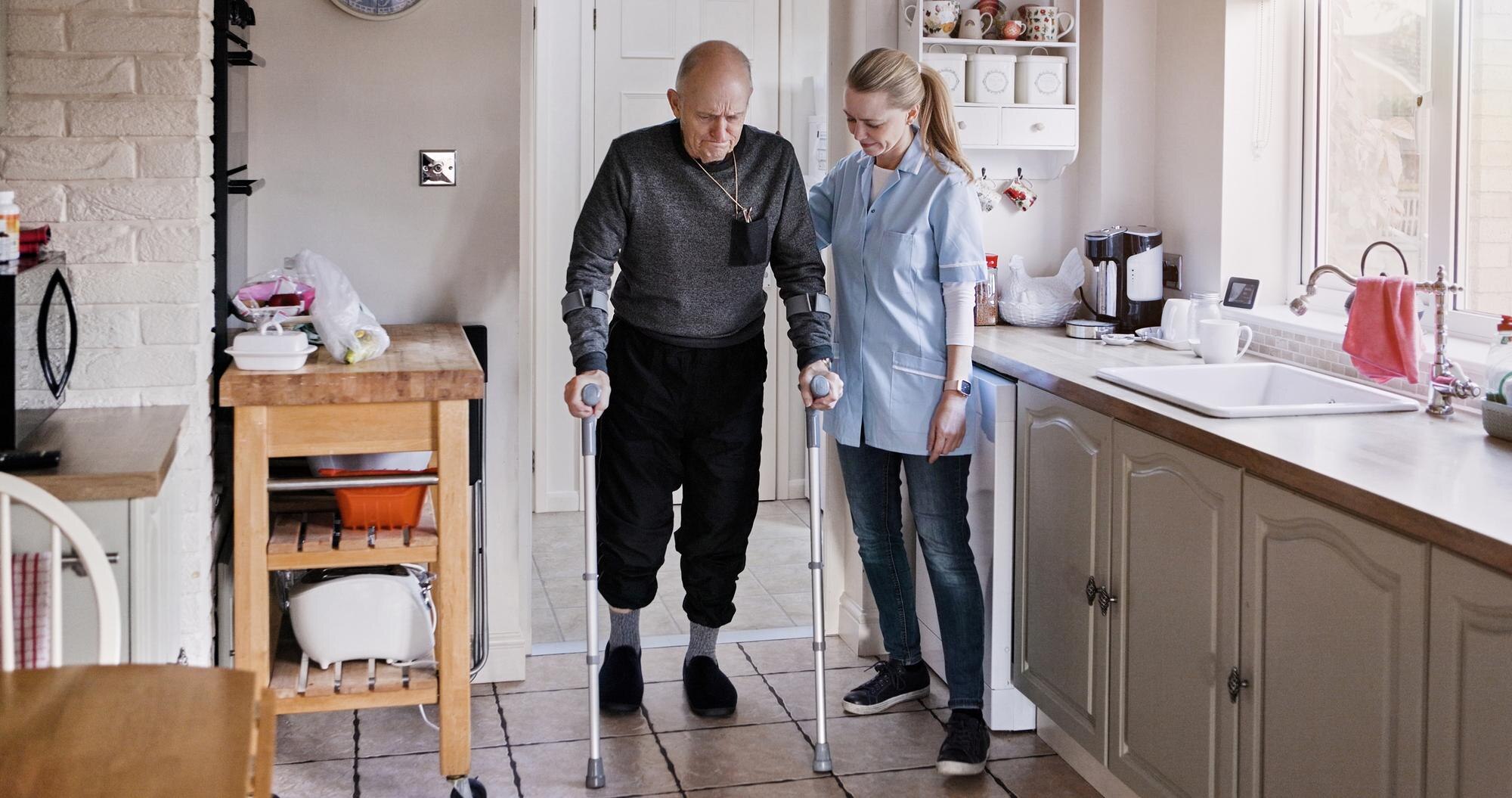
After establishing a caregiving partnership, consider a professional home safety assessment. This step ensures your home remains a safe haven as needs evolve.
Benefits of a Safety Assessment
A home safety assessment offers expert insights into potential hazards you might overlook. Professionals can recommend specific adjustments tailored to your home and your loved one’s needs. This proactive step reduces risks, providing peace of mind for family members.
Furthermore, assessments often cover areas beyond basic safety, such as emergency preparedness and accessibility improvements. Learn more about home safety tips for older adults.
Preparing for the Assessment
Before the assessment, prepare a list of questions and concerns you wish to address. This ensures the visit is comprehensive and addresses your specific needs. Be open to suggestions and ready to implement recommended changes.
Gather any existing safety equipment manuals or care plans for the assessor to review. This information helps tailor recommendations to current setups and future needs.
Next Steps in Care Planning
After the assessment, review the findings and prioritize the recommendations. Develop a timeline for implementing changes, starting with the most critical. Share the assessment results with caregivers to ensure everyone is aligned.
Ongoing evaluations and adjustments ensure that your home remains safe and comfortable. As needs change, so should your home environment. This continuous process supports aging in place, offering independence and security for your loved one.