
Moving from hospital to home can feel like stepping into the unknown, especially when your loved one needs extra support. A smooth hospital to home transition means more than just leaving the hospital—it’s about creating a safe, comfortable environment where recovery can truly begin. In this guide, you’ll find clear steps and trusted advice to help you manage every detail with confidence, backed by the caring expertise of Relevar Home Care in Southeast Michigan. Read more on hospital-to-home transitions.
Preparing for a Safe Discharge
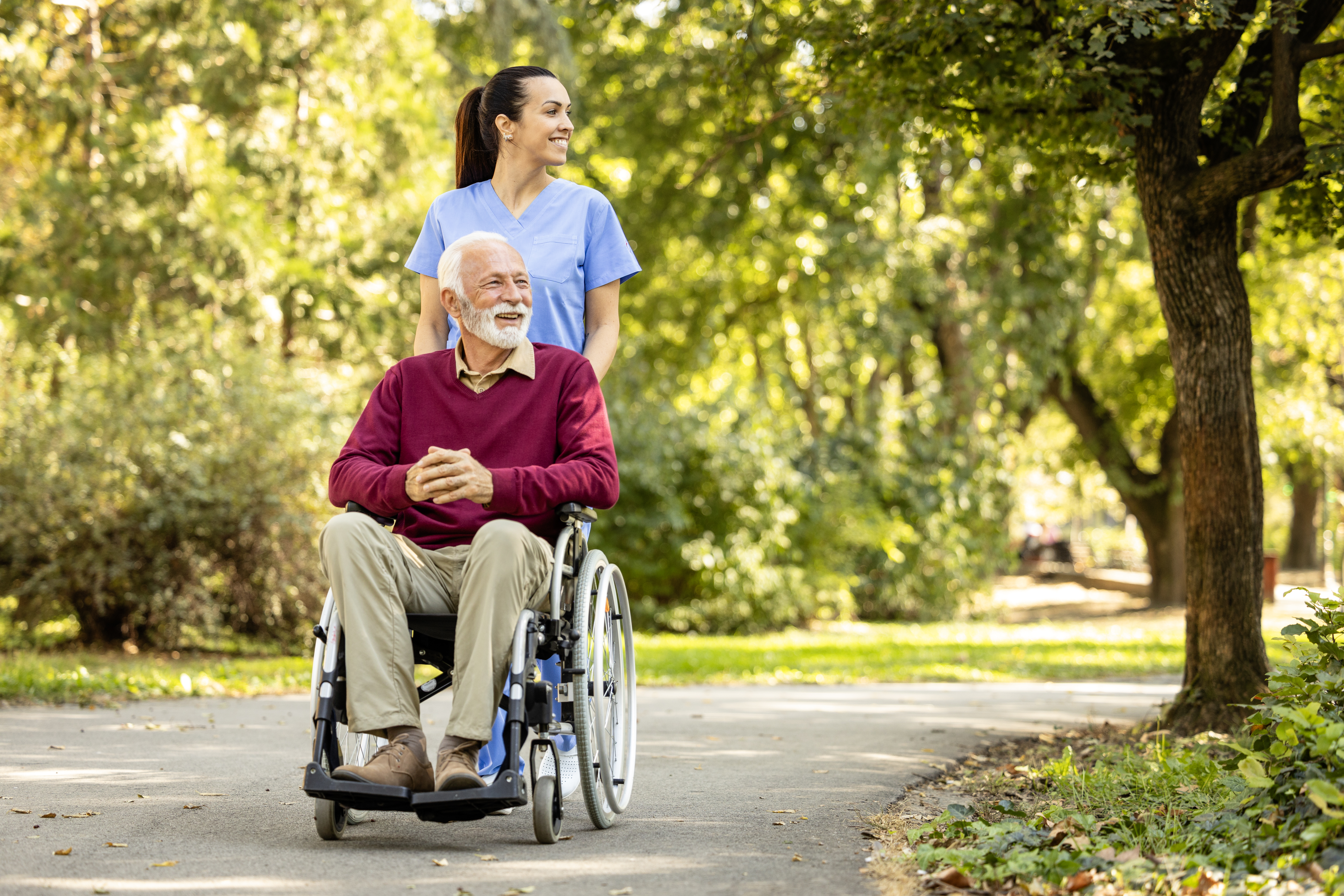
Leaving the hospital marks the beginning of a new chapter in recovery. Preparing well ensures a seamless transition and sets the stage for effective post-hospital care at home.
Understanding Hospital Discharge Procedures
When it’s time for discharge, the hospital staff will provide essential details. They will discuss your loved one’s current health status, required medications, and follow-up appointments. Keep this information handy as it guides the initial days at home. Most people think they know what to expect, but hospital discharge can come with surprises. Ensure you ask all necessary questions. What medications are necessary? Who should you contact if issues arise? These questions prevent confusion and keep you prepared.
Clear communication with the discharge planner is vital. They are your best resource for understanding the details of your loved one’s care needs and available support services. Don’t hesitate to reach out to them with any concerns or queries.
Essential Pre-Discharge Checklist
Before your loved one leaves the hospital, prepare a checklist to cover all bases. This list should ensure that no detail is overlooked. Start with confirming transportation arrangements. Will your loved one need a ride home, or do they require special transportation?
Next, check on necessary equipment. Items like a walker or wheelchair might be needed and should be ready at home. If specific home modifications are required, plan these in advance to avoid last-minute rushes.
Communicate with family members about their roles in caregiving to divide responsibilities effectively. Finally, ensure you have contact information for healthcare providers. It’s essential to know who to call if something unexpected happens.
Importance of Personalized Care Plans
Tailoring care plans to individual needs is not just a priority; it’s crucial. Personalized plans address unique medical and personal requirements, aiding speedy recovery. One size doesn’t fit all in care management.
Relevar Home Care emphasizes the importance of personalized plans. Each plan considers the person’s health status, preferences, and living situation. This approach ensures your loved one receives care that respects their dignity and individuality.
Involving the patient and family members in crafting these plans fosters a sense of control and comfort. Knowing what to expect and how the care process will unfold offers peace of mind to everyone involved.
Setting Up a Safe Home Environment
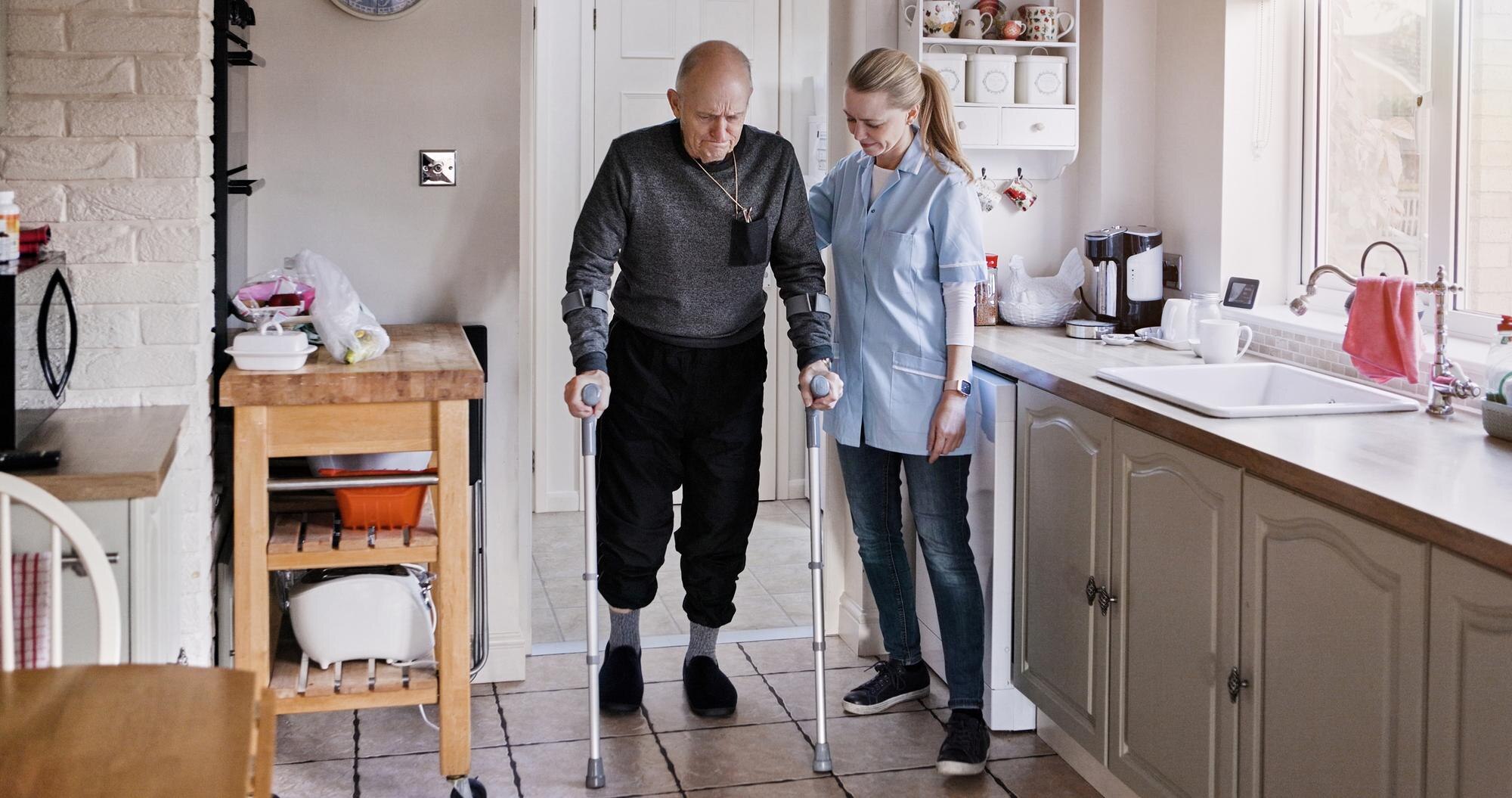
Creating a safe home environment is pivotal for a successful transition. It’s about more than just safety; it’s about comfort and healing.
Home Safety Assessments Explained
A home safety assessment evaluates potential risk areas within the home. This step is vital in preventing accidents and ensuring a smooth recovery. You might think your home is already safe, but there are often hidden hazards.
Assessments often focus on accessibility, such as ensuring doorways are wide enough for wheelchairs or that ramps are available where needed. Lighting is another key area. Proper lighting can prevent falls, especially in stairways and entrances.
Relevar Home Care can conduct these assessments, providing expert advice on modifications. This proactive measure ensures that your loved one’s environment supports their recovery, not hinders it.
Equipment Recommendations for Safety
Selecting the right equipment can make a significant difference in your loved one’s recovery. Essential equipment can include items like grab bars in the bathroom, a raised toilet seat, or a shower chair.
Beds with adjustable frames can provide comfort and ease for those with mobility issues. Consider acquiring a medical alert system for immediate assistance in emergencies. These devices offer an added layer of security for your peace of mind.
Consult with healthcare professionals to ensure you have all necessary equipment. Their expertise can guide you in making informed decisions about what to invest in.
Fall Prevention Tips for Home
Falls are a common concern for individuals transitioning home. Implementing preventive measures can drastically reduce the risk. Start by removing clutter such as loose rugs or electrical cords from pathways.
Install non-slip mats in the bathroom and ensure railings are sturdy. Simple changes, like rearranging furniture to create clear walking paths, can prevent accidents.
Encourage your loved one to wear non-slip footwear and consider using a walker or cane for added stability. Regularly reviewing these tips and updating your home can make all the difference in maintaining safety.
Coordinating Ongoing Care and Support
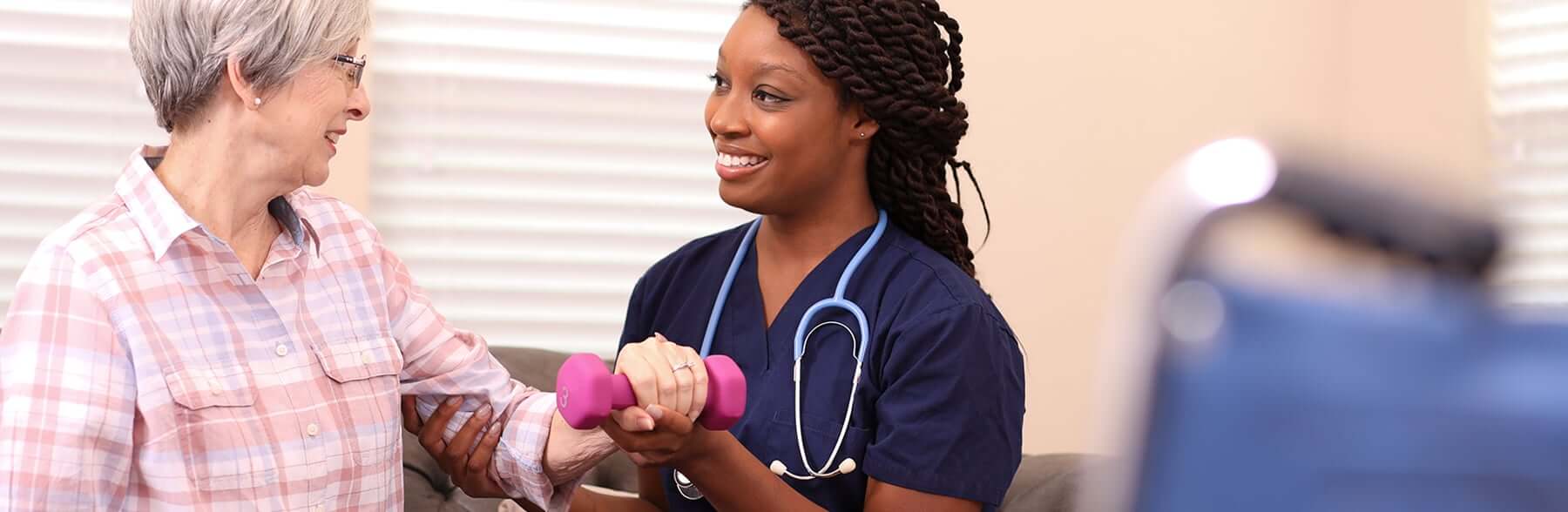
Once home, ongoing care and support are crucial for continued recovery. It’s not only about medical needs but ensuring overall well-being.
Scheduling Follow-Up Appointments
Scheduling and attending follow-up appointments is essential in monitoring recovery progress. These appointments provide an opportunity to address any complications and adjust care plans as needed.
Make a calendar of all upcoming appointments and set reminders. This helps in maintaining a regular routine and ensures no appointment is missed.
Engage healthcare providers in discussing any concerns or questions you might have. Their insights can provide valuable guidance in managing your loved one’s health effectively.
Role of Medication Management at Home
Managing medications accurately is critical. It’s common for patients to have multiple prescriptions post-discharge, making organization key.
Use pill organizers to sort daily doses and prevent mix-ups. Keeping a list of all medications, including dosage and timing, helps reduce errors.
Consider enlisting the help of a professional service like Relevar Home Care, which offers medication management at home. Their expertise can ensure medications are administered correctly, reducing the risk of complications.
Personal Care Services and Home Nursing Care
Personal care services provide essential support in daily activities. These services range from hygiene assistance to meal preparation, easing the burden on family caregivers.
Home nursing care is invaluable for those needing medical attention at home. Skilled nurses can attend to complex medical needs, providing peace of mind.
Relevar Home Care offers both personal care services and home nursing care, tailored to individual needs. This comprehensive approach ensures your loved one receives the best possible support during their recovery journey.
By following these steps and enlisting the right support, you can ensure a smooth transition from hospital to home, fostering a safe and nurturing environment for recovery.
Contact Relevar Home Care today to learn how personalized hospital-to-home support can bring comfort, safety, and peace of mind to your family.