
Making your loved one’s home safe and comfortable as they age isn’t just about quick fixes—it’s about thoughtful planning that fits their unique needs. Preparing for aging in place means creating a space where they feel secure and supported every day. In this post, you’ll find practical tips on home safety for seniors and learn how personalized care plans from Relevar can bring peace of mind to your family.
Creating a Safe Environment

Creating a safe home environment for your aging loved one is crucial. It’s not just about removing hazards, but also about ensuring their comfort and security. Let’s explore essential strategies to make this happen.
Fall Prevention Tips
Did you know that one in four seniors falls each year? Most people think falls are just a part of getting older, but many can be prevented with some proactive steps.
Clear Clutter: Keep floors free of clutter. Remove unnecessary items that could cause tripping.
Install Handrails and Grab Bars: These should be placed in stairways and bathrooms, where slips are most likely to occur.
Improve Lighting: Ensure all rooms, hallways, and staircases are well-lit. Consider nightlights for added safety during the night.
Use Non-Slip Mats: Place these in bathrooms and kitchens to prevent slips on wet surfaces.
By taking these steps, you can significantly reduce the risk of falls, keeping your loved ones safe and independent longer.
Easy Bathroom Modifications
Bathrooms are a common site for accidents, but with a few changes, they can become much safer for seniors.
Raised Toilet Seats: These make it easier to sit and stand, providing greater comfort and reducing strain.
Shower Chairs: Allow for seated bathing, which is safer and more comfortable. Include a handheld showerhead for convenience.
Temperature Control: Set the water heater to a safe temperature to prevent scalds. Consider faucets with anti-scald devices.
Making these small adjustments can offer big peace of mind. Not only do they prevent accidents, but they also promote independence and dignity.
Personalized Care Plans
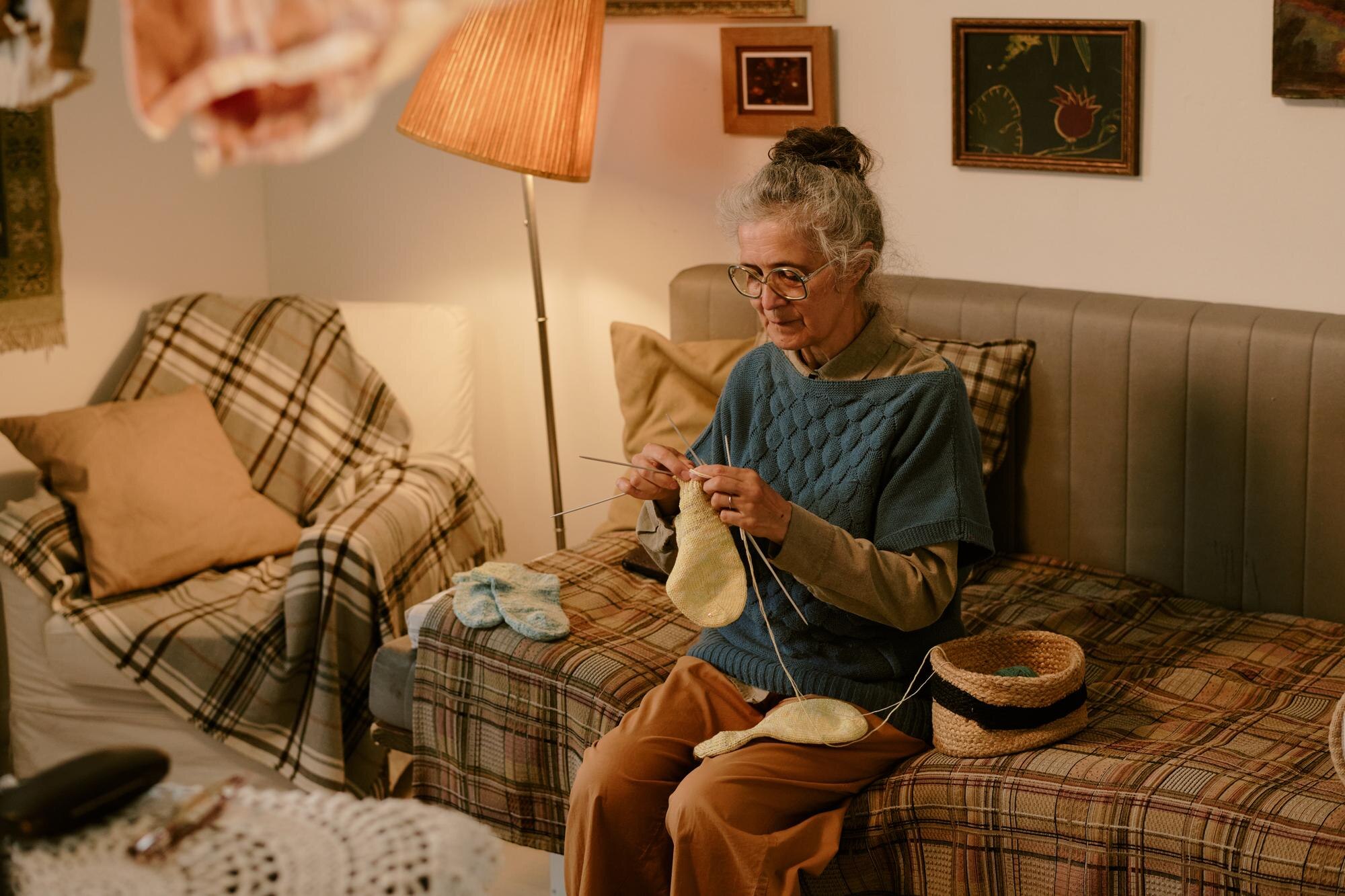
After ensuring the physical safety of the home, it’s essential to consider the personalized care plans that cater to your loved one’s unique needs.
Tailoring Care to Individual Needs
Everyone’s care requirements are different. A one-size-fits-all approach doesn’t work. By tailoring care plans, you address specific needs effectively.
Assessment: Start with a professional assessment to identify the unique needs of your loved one.
Customized Activities: Engage them in activities they enjoy, which also keep them mentally and physically active.
Flexible Scheduling: Adapt care schedules to fit their lifestyle, allowing them to maintain routines that bring them joy.
These personalized elements ensure that your loved one receives care that respects their individuality and preferences.
Benefits of Professional Support
Most people think managing care alone is sufficient, but professional support can make a significant difference.
Expert Guidance: Professionals offer insights and solutions that family members might overlook.
Emotional Support: They can provide companionship and emotional care, crucial for overall well-being.
Relief for Family: Professional care relieves family members, allowing them to focus on quality time rather than caregiving tasks.
By integrating professional support, you enhance the care quality your loved one receives, ensuring their needs are met comprehensively.
Enhancing Comfort for Aging in Place

Now, let’s focus on enhancing the comfort of your loved one’s home, making it a place where they feel truly at ease.
Cozy Living Spaces
Creating a warm and inviting living area is key to their comfort.
Comfortable Seating: Invest in supportive and cushioned furniture that is easy to get in and out of.
Personal Touches: Include personal items like photos and favorite books to make the space feel familiar and comforting.
Temperature Control: Ensure the room temperature is consistently comfortable, as seniors are sensitive to temperature changes.
These adjustments can transform a house into a haven, providing emotional and physical comfort.
Accessible Kitchen Ideas
The kitchen should be a place of ease, not struggle. With a few tweaks, it can be more accessible.
Lower Shelves: Place frequently used items on lower shelves for easy reach.
Lever-Handle Faucets: Easier to use than traditional taps, especially for those with arthritis.
Pull-Out Drawers: Convert cabinets to pull-out drawers for easy access to utensils and kitchenware.
By making these changes, you ensure that the kitchen remains a functional and enjoyable space for your loved one.
In preparing a home for aging loved ones, the focus is on creating a balance of safety, comfort, and independence. Whether through personalized care plans or home modifications, each step you take is a step towards a more secure and supportive environment.
Schedule a free in-home assessment with Relevar today and discover how personalized care can help your loved one age safely and confidently at home.