
Bringing a loved one home after a hospital stay can feel overwhelming. You want to avoid surprises and keep their recovery safe and comfortable. Knowing the right questions to ask before hospital discharge helps you prepare a clear plan for quality care at home. This guide shares essential questions to support your family’s peace of mind and smooth the transition with confidence.
Essential Discharge Planning Questions

Before bringing your loved one home, it’s crucial to gather the right information. This ensures a smooth transition and proper care at home. Asking the right questions can make all the difference.
Understanding Post-Discharge Care Needs
Start by identifying the specific needs your loved one will have once home. What daily activities will they need help with? This might include bathing, dressing, or eating. You’ll want to know who will provide this assistance and how often. Don’t overlook the need for medical equipment, like a walker or wheelchair. Clarify who will arrange delivery and maintenance. Asking these questions helps you map out a comprehensive care plan.
Ensuring Medication Management at Home
Medications are often a big part of post-discharge care. What medicines will your loved one need to take, and how often? Ensure you understand the dosages and any potential side effects. It’s also wise to ask if there are any special storage instructions. Knowing whom to contact for medication-related questions ensures you can address any issues promptly. This step is vital for effective medication management at home.
Clarifying Transitional Care at Home
Understanding the full scope of transitional care is key. Will there be follow-up appointments, and who will coordinate them? Knowing the schedule of these appointments and transportation needs can ease the transition. Ask about any physical therapy or other rehabilitation services that may be necessary. By clarifying these details, you ensure your loved one receives continuous care during recovery.
Building a Safe Home Environment
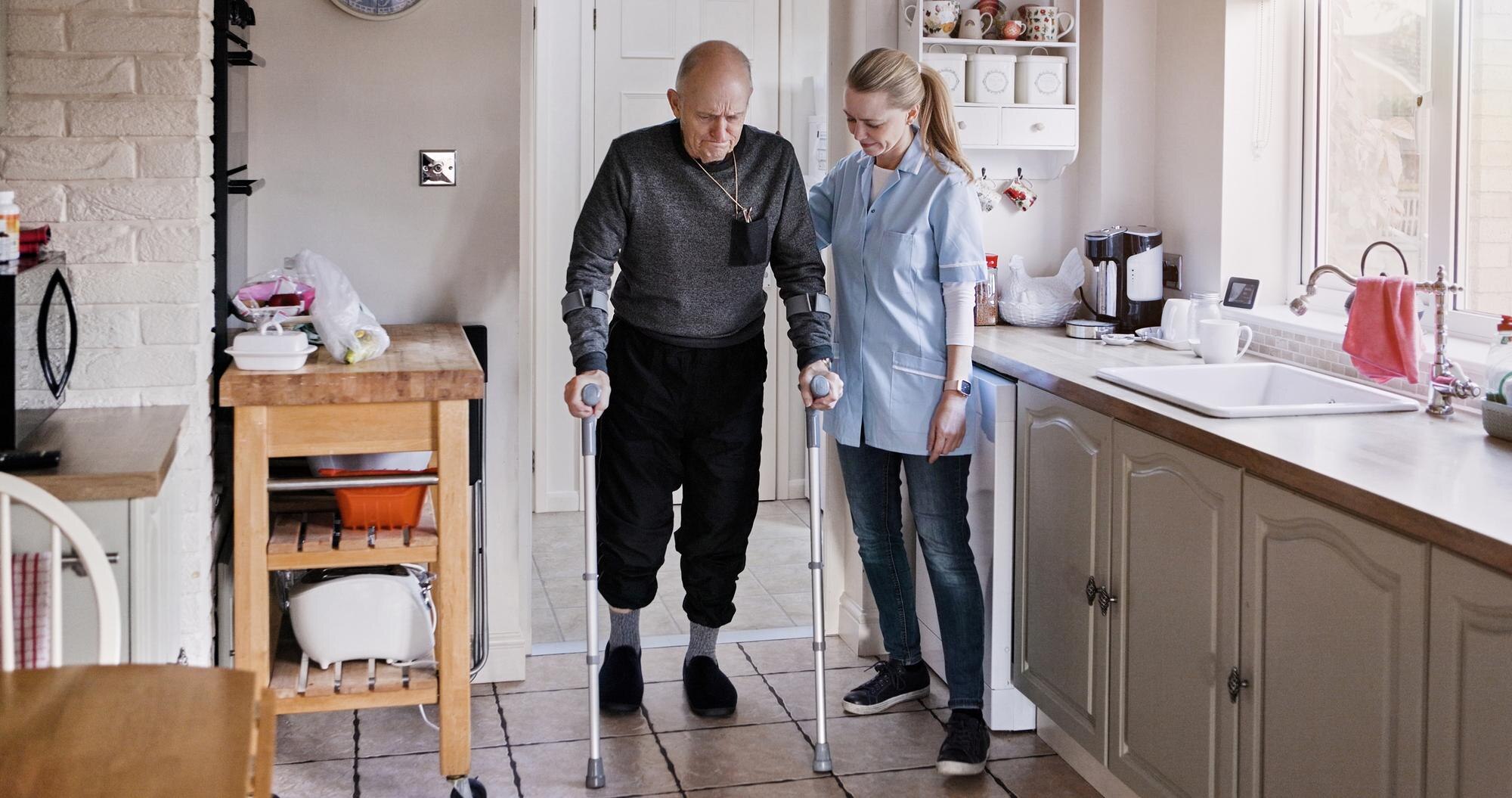
Creating a secure home environment is the next step in your planning. A safe home reduces the risk of accidents and supports a stress-free recovery.
Conducting a Home Safety Assessment
Begin with a thorough safety check of your home. Are there clear pathways for mobility aids? Remove any clutter or loose rugs that could cause trips or falls. Consider installing grab bars in the bathroom and railings on stairs. A home safety assessment is crucial for preventing accidents, especially for those recovering from surgery or illness.
Preparing for Post-Surgery Home Care Support
If your loved one is returning after surgery, you need to be ready for specific care needs. What kind of support will they require in the first few days? This could involve wound care, dietary restrictions, or mobility assistance. Knowing these needs in advance helps you arrange for any necessary supplies or professional assistance. Preparing ahead ensures a smooth and stress-free recovery process.
Preventing Hospital Readmission
Preventing a return to the hospital is a priority. What signs of complications should you watch for? Understanding potential symptoms and knowing when to call a healthcare provider can prevent serious issues. Education on disease management and ongoing communication with healthcare professionals are key strategies. By focusing on these areas, you help ensure your loved one remains healthy at home.
Partnering with Professional Care Providers

Partnering with the right professionals can provide significant support. They bring expertise and peace of mind to your care plan.
Benefits of RN Care Coordination
Having a registered nurse (RN) involved can be a game-changer. How can an RN help coordinate your loved one’s care? They provide expert oversight and help manage complex medical needs. An RN can also liaise with doctors and other healthcare providers, ensuring seamless communication. This level of coordination can greatly enhance the quality of care your loved one receives.
Exploring Private Duty Home Care Options
Private duty home care offers personalized support. What types of services can these caregivers provide? They assist with personal care, housekeeping, and even transportation to appointments. This flexibility allows you to tailor the care to your loved one’s specific needs. Exploring these options ensures you have comprehensive support at home.
Finding Trusted Home Nursing in Southeast Michigan
Finding reliable home nursing services in your area is crucial. Where can you find trusted providers in Southeast Michigan? Look for agencies with strong reputations and positive client testimonials. Trusted providers offer experienced caregivers and a range of services that cater to individual needs. Engaging with a reputable home nursing service guarantees quality care for your loved one.
By asking these essential questions and taking proactive steps, you ensure a smooth transition from hospital to home, providing comfort and security for your loved one.
Schedule your free consultation with Relevar Home Care today to learn how our nurse-supervised caregivers help Southeast Michigan families navigate hospital-to-home transitions, prevent readmissions, and create personalized care plans for recovery.